
Keynote Speakers
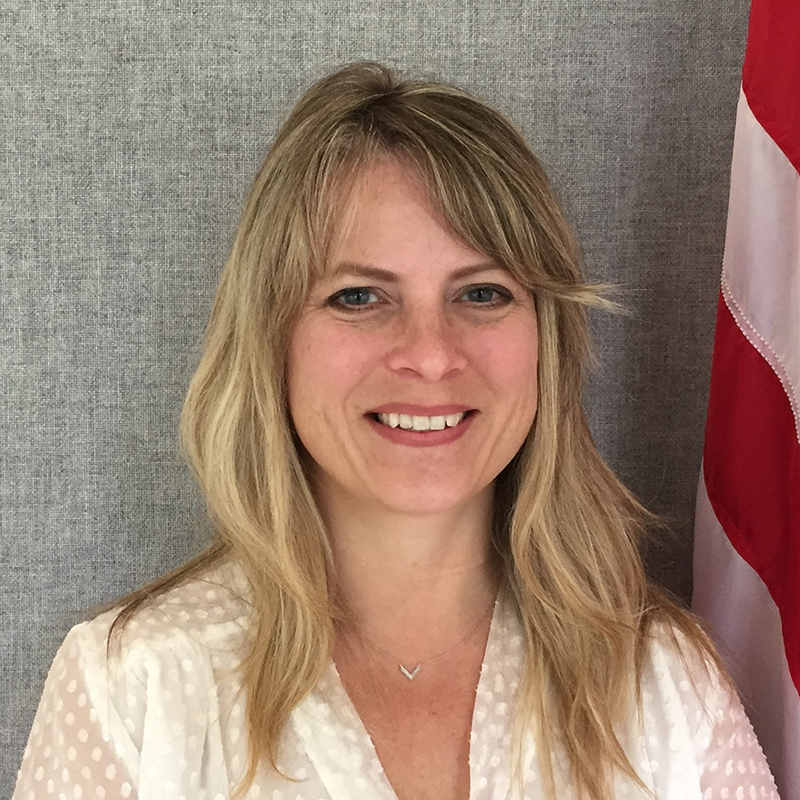
Lisa Carnell, PhD
Biological and Physical Sciences Division, NASA
Dr. Lisa Carnell is the Division Director for NASA’s Biological and Physical Sciences (BPS) Division and previously served as BPS Program Scientist for Translational Research, where she led strategic partnerships with federal agencies and advanced commercial engagement initiatives. She also served as the Space Radiation Medical Countermeasure Lead for NASA’s Human Research Program, focusing on understanding and mitigating radiation-related health risks to astronauts. Prior to NASA, she worked in technology transfer at Dominion Resources, Inc., and earned her PhD from Duke University studying physiological and electrical influences on human mesenchymal stem cell differentiation. Dr. Carnell holds eight patents, has published in peer-reviewed journals, serves on multiple interagency working groups, and has received numerous NASA honors, including the Exceptional Achievement Award and Silver Achievement Medal.
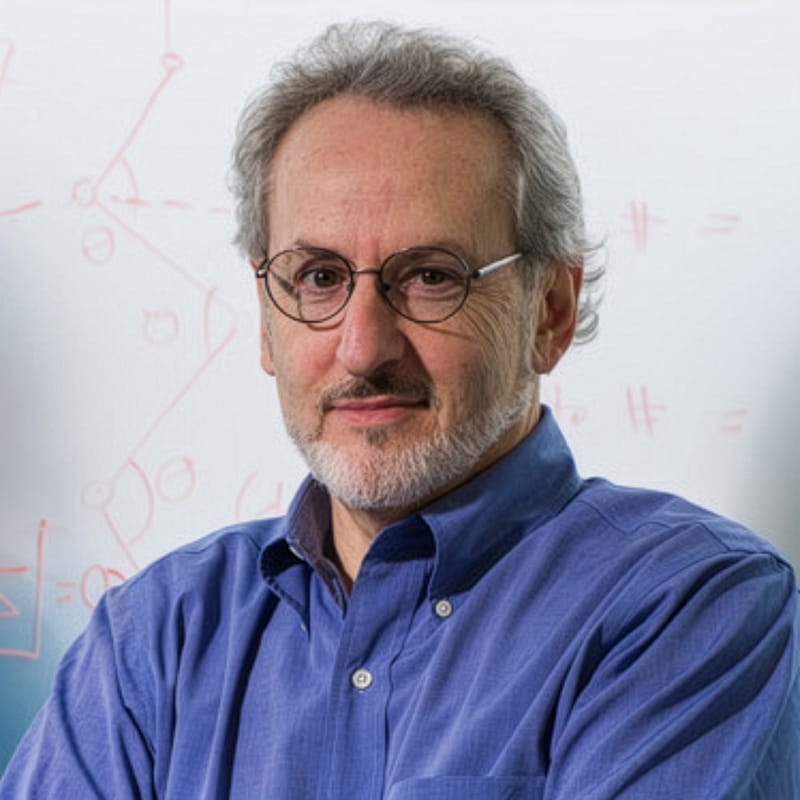
Donald E. Ingber, MD, PhD
Wyss Institute for Biologically Inspired Engineering at Harvard University
Dr. Donald E. Ingber, MD, PhD, is the Founding Director of the Wyss Institute for Biologically Inspired Engineering at Harvard University and a chaired professor at Harvard’s schools of medicine and engineering and Boston Children’s Hospital. He is a member of National Academy of Medicine, National Academy of Engineering, and National Academy of Inventors, and the American Academy of Arts and Sciences. His transdisciplinary approach to science has led to major advances in biosensors, diagnostics, cell biology, cancer research, tissue engineering, systems biology, nanobiotechnology and translational medicine. His work, which has helped to break down boundaries between science, art and design, spans basic research and translational medicine, with a recent focus on human Organ Chips as animal replacements.
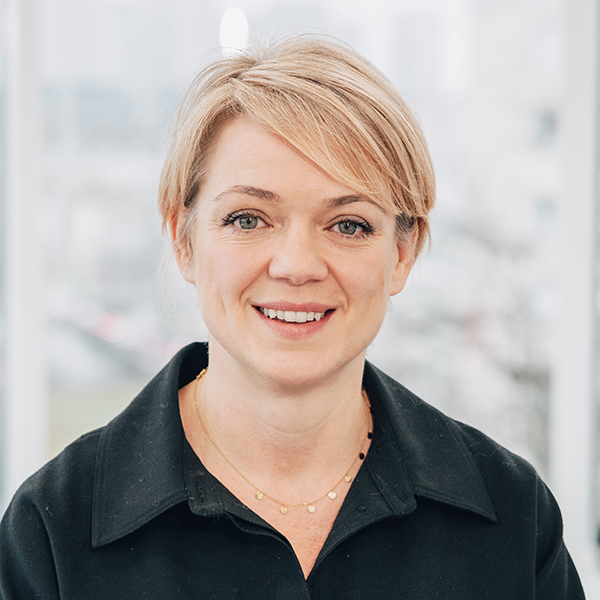
Fanny Jaulin, PhD
Orakl Oncology
Dr. Fanny Jaulin, PhD, CEO of Orakl Oncology, brings 20 years of expertise in cancer cell biology and precision oncology. She founded an academic laboratory at Gustave Roussy to lead translational research bridging fundamental biology with clinical impact through tumor avatars. In 2023, she launched Orakl Oncology, a spin-off from Gustave Roussy, to transform oncology drug development. Orakl combines biological and artificial intelligence to identify novel therapeutic targets and predict clinical success. Dr. Jaulin was recently awarded the Académie de Médecine Prize.
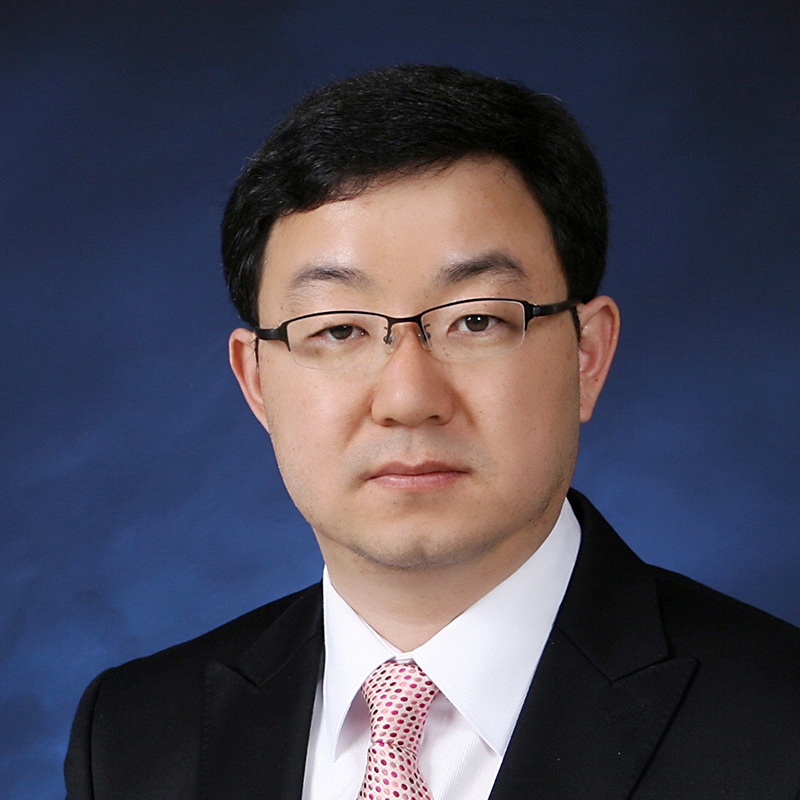
Noo Li Jeon, PhD
Seoul National University
Dr. Noo Li Jeon, PhD, is a Professor of Mechanical Engineering at Seoul National University and a pioneer in MPS and microfluidics. He is renowned for developing the industry-standard compartmentalized device for neuron culture (Xona Microfluidics) and high-throughput platforms for perfusable vascular networks. His laboratory was the first to report functional blood and lymphatic vessel networks on a chip, establishing a foundation for advanced immuno-oncology research. As the founder of Qureator, he focuses on translating these complex microphysiological systems into user-friendly, standardized tools for pharmaceutical drug discovery. With over 250 publications, Dr. Jeon’s work provides the essential engineering infrastructure used by biological researchers worldwide.
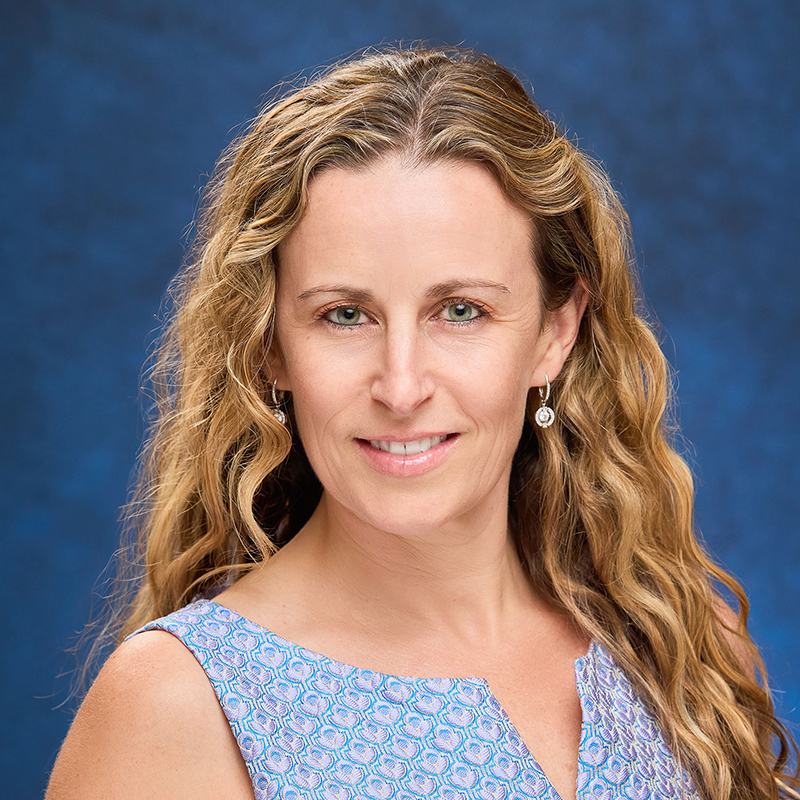
Nicole C. Kleinstreuer, PhD
National Institutes of Health, Division of Program Coordination, Planning, and Strategic Initiatives (DPCPSI)
Dr. Nicole C. Kleinstreuer, PhD, is the NIH Deputy Director for Program Coordination, Planning, and Strategic Initiatives, where she leads the Division of Program Coordination, Planning, and Strategic Initiatives in the NIH Office of the Director, overseeing trans-NIH research programs and strategic policy initiatives. She is internationally recognized for advancing innovative, human-relevant research strategies that strengthen public health protection. Previously, she served as Director of NICEATM at NIEHS, Executive Director of ICCVAM, and US National Co-Coordinator for the OECD Test Guidelines Programme, leading interagency and international efforts to advance new approach methodologies, reduce animal testing, and integrate computational modeling and AI into regulatory science. Her research spans translational bioinformatics, predictive modeling, systems toxicology, and quantitative risk assessment, and she has authored more than 150 peer-reviewed publications. Dr. Kleinstreuer has received numerous honors, including the Society of Toxicology Achievement Award and the Enhancement of Animal Welfare Award, along with multiple NIH and NIEHS Merit Awards. She holds degrees in biomedical engineering, applied mathematics, and bioengineering, maintains adjunct faculty appointments at Yale University and UNC Chapel Hill, and is deeply committed to mentorship and scientific innovation with real-world impact.
Invited Speakers
Kevin Achberger, Eberhard Karls University Tübingen
Anne Beghin, National University of Singapore
Jeffrey Borenstein, Draper
Dan Huh, University of Pennsylvania
Nicholas Kurniawan, Eindhoven University of Technology
Soumya Mitra, Abbvie
George Murphy, Boston University Chobanian & Avedisian School of Medicine
Ichiji Namatame, Astellas Pharma Inc.
Ritu Raman, Massachusetts Institute of Technology
Marian Raschke, Bayer AG
Adelina Rogowska-Wrzesinska, University of Southern Denmark
Courtney Sakolish, Texas A&M University
Ankur Singh, Georgia Institute of Technology
Sarah Spitz, Massachusetts Institute of Technology
Daniel Tadesse, US FDA
Katja Uhlig, Fraunhofer IZI-BB
Remi Villenave, Roche Center for Innovation
Eric von Strobl, University of Pittsburgh Medical Center
Ryuji Yokokawa, Kyoto University